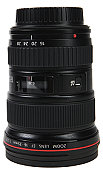
If you are new to photography, figuring out what zoom power you need and differentiating between the different types of zoom can be quite overwhelming. A number of new terms referring to zooming have been introduced lately in the marketing language of camera manufacturers, which only increases confusion. This article is aimed to bring a little more light into the problem and help you take a good decision when making the purchase.
Most mid-priced digital cameras have an incorporated 3x/4x lens. These numbers refer to optical and digital zoom. Most cameras have both optical and digital zoom, with the exception of a few low-priced ones, which tend to make dull and fuzzy photos. A digital camera's zoom function is quite similar to the one of a film camera and does the same thing, namely bringing the subject closer. Anyway, in digital cameras here are two types of zoom, an optical and a digital one. Optical zoom is the one similar to the zoom of a traditional camera. Digital zoom, on the other hand, simulates zooming by blowing up a selected part of the picture. It shouldn't be mistaken with photo editing, which refers to applications used to modify the image after it's been produced. Another common misconception about this type of zoom is that it is particularly useful for long distance photos. This cannot be farther from the truth. Optical zoom is much more important in a digital camera and it should be the one used as a criterion when comparing different models instead of digital or total zoom.
The quality of a digital camera is more dependent on optical zoom. To create even more confusion, manufacturers have begun to use the term of 'total zoom'. In fact, there is no such thing. At most it can refer to the fact that a camera has both types of zoom functions, digital and optical. Traditional cameras like 35 mm or APS only had optical zoom. Optical zoom uses an incorporated lens to bring the image closer to the photographer. Professionals associate digital zoom with digital video cameras. They don't think of it as a real zoom for digital cameras because it just enlarges a part of the picture. In other words, it crops part of the image and enlarges the rest, resulting in a loss of quality. It works in the same way as the cropping and resizing options of photo editing applications. Another new term in digital photography is that of 'smart zoom'. This type of zoom avoids interpolation and thus maintains the quality of the image.
People sometimes compare optical zoom to resolution when they purchase a digital camera. This doesn't make any sense. The power of digital zoom and the resolution are two different things with no connection to one another. The resolution expresses the number of pixels in the picture, while optical zoom refers to the power of the lens. It has nothing to do with resolution and can neither increase it nor decrease it. Another tendency is to disable the camera's digital zoom. Many photographers don't trust this feature and would rather crop and resize the photo themselves on the computer. This is not a very goo practice as it decreases the camera's effectiveness.
Digital And Optical Zoom
Optical zoom works much like the zoom lens on a 35 mm film camera. It changes the length of your camera's lens and draws the subject closer to you. The optical zoom keeps the quality of the picture. Digital zoom works differently. It simply takes the picture and crops it then enlarges the part that is left. It causes the quality of the photo to be reduced, sometimes greatly.
What this means in terms of output is you may have a larger view of an object with the digital zoom, but chances are your image will become unfocused. Details will become lost. It is actually best to turn off the digital zoom feature of your camera if possible. This will prevent you automatically zooming in too close as the digital zoom is often an extension of the optical.
There are a couple of things you can do if you want a closer view of a subject but want the quality of your picture to still be good. Try moving in closer when you take the picture. Often only a foot or two will do the trick. If this isn't possible, you can set your camera to take a picture at its highest file size. This will result in a photo that can be cropped to include only your desired subject, yet allow for an image that is still clear.
Digital zoom has its place. It can be used if the only destiny of your photo is the internet. Photos online can be a much lower quality in the camera and still appear acceptable when sent through e-mail or posted on a web gallery. If your goal is printing, however, seek a camera that has a greater optical zoom and turn off the digital zoom. Your pictures will be better in the end, even if they are not as close up.
Both Alex Don & Dave Deane are contributors for EditorialToday. The above articles have been edited for relevancy and timeliness. All write-ups, reviews, tips and guides published by EditorialToday.com and its partners or affiliates are for informational purposes only. They should not be used for any legal or any other type of advice. We do not endorse any author, contributor, writer or article posted by our team.
Alex Don has sinced written about articles on various topics from Computers and The Internet, Home Management and Computers and The Internet. D. usually writes on photo resizing for reshade.com. Reshade.com specializes in online image processing and offers an online picture resizing applicati. Alex Don's top article generates over 135000 views. Bookmark Alex Don to your Favourites.
Dave Deane has sinced written about articles on various topics from Tropical Fish, Digital Camera and Family. To find out all you need to know about Digital Cameras, Digital Photographs, and more great articles then please visit:Digital Photographs Submitted by:. Dave Deane's top article generates over 33100 views. Bookmark Dave Deane to your Favourites.
Cholesterol And Heart Attack You can also get your FREE report 5 Simple Steps To Lower Cholesterol from the site