The Blarney Stone is a historical stone, or actually part of the Blarney Castle in Ireland where it was believed that kissing the stone can grant you the gift of gab. Yeah, it seems strange in this day and age, but who are we to question tradition? It's not like I'm saying that Santa Claus doesn't exist (OOPS!).
There is so much to know about conversation that anyone, even I, could ever realize. You can go though watching talk shows; radio programs; clubs dedicated to public speaking; ordinary conversations; certain rules still apply when it comes to interaction through words. It may sound tedious, I know, but even though it's your mouth that's doing the work, your brain works twice as hard to churn out a lot of things you know. So what better way to start learning to be an effective communication is to know the very person closest to you: yourself.
1. What you know.
Education is all about learning the basics, but to be an effective speaker is to practice what you've learned. My stint as guest at every Toastmasters' meeting I go to taught me that we all have our limitations, but that doesn't mean we can't learn to keep up and share what we know.
2. Listening.
It's just as important as asking questions. Sometimes listening to the sound of our own voice can teach us to be a little bit confident with ourselves and to say the things we believe in with conviction.
3. Humility
We all make mistakes, and sometimes we tend to slur our words, stutter, and probably mispronounce certain words even though we know what it means, but rarely use it only to impress listeners. So in a group, don't be afraid to ask if you're saying the right word properly and if they're unsure about it then make a joke out of it. I promise you it'll make everyone laugh and you can get away with it as well.
4. Eye Contact
There's a lot to say when it comes to directing your attention to your audience with an eye-catching gaze. It's important that you keep your focus when talking to a large group in a meeting or a gathering, even though he or she may be gorgeous.
5. Kidding around
A little bit of humor can do wonders to lift the tension, or worse boredom when making your speech. That way, you'll get the attention of the majority of the crowd and they'll feel that you're just as approachable, and as human to those who listen.
6. Be like the rest of them
Interaction is all about mingling with other people. You'll get a lot of ideas, as well as knowing what people make them as they are.
7. Me, Myself, and I
Admit it, there are times you sing to yourself in the shower. I know I do! Listening to the sound of your own voice while you practice your speech in front of a mirror can help correct the stress areas of your pitch. And while you're at it you can spruce up as well.
8. With a smile
A smile says it all much like eye contact. There's no point on grimacing or frowning in a meeting or a gathering, unless it's a wake. You can better express what you're saying when you smile.
9. A Role Model
There must be at least one or two people in your life you have listened to when they're at a public gathering or maybe at church. Sure they read their lines, but taking a mental note of how they emphasize what they say can help you once you take center stage.
10. Preparation
Make the best out of preparation rather than just scribbling notes and often in a hurried panic. Some people like to write things down on index cards, while other resort to being a little more silly as they look at their notes written on the palm of their hand (not for clammy hands, please). Just be comfortable with what you know since you enjoy your work.
And that about wraps it up. These suggestions are rather amateurish in edgewise, but I've learned to empower myself when it comes to public or private speaking and it never hurts to be with people to listen how they make conversations and meetings far more enjoyable as well as educational.
Keeps Getting Better With Lyrics
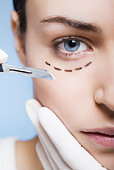
Looking good makes one feel good and confident. Many times the birth defects, stressful life and aging leave their marks on our bodies, which require correction. Many people feel that a little aesthetic improvement in their face and body will help them tremendously. These treatments and enhancements do not come cheap but cosmetic surgery loans help us finance such procedures.
Cosmetic surgery is a modern surgical wonder, which deals with the makeover of facial and body tissue that requires a reshaping – this might be done so as to look normal, to regain working ability after a disaster, or to improve the physical appearance. Sometimes it is also known as plastic surgery.
Given the amount of morale boost it provides to the people, it is a little surprise that cosmetic surgery is increasingly getting popular day by day. Apart from treating it as a medical relief, people are now looking towards it as a lifestyle enhancement procedure. This is the reason why people, even from average financial backgrounds are taking cosmetic surgery loans and flocking to cosmetic surgery centers. They are gradually overlooking the fact that cosmetic surgery is not covered by private medical insurance.
Many types of treatments such as liposuction, breast surgery, breast augmentation, breast reduction, breast improvement, collagen or fat therapy, body tucks and laser treatments are performed under cosmetic surgery.
Before taking a cosmetic surgery loan it is advisable that you should be pretty clear about the procedure that you want to use. Consulting an expert for this matter will definitely help you in knowing the pros and cons of that particular cosmetic procedure. Weigh all the factors and take a suitable decision. Since taking a cosmetic surgery loan is under consideration, you should shop around and look for a solution that is economically viable, and doesn't hurt the pockets too much.
Any cosmetic surgery would require a cosmetic surgeon. Many loan companies that give you a cosmetic surgery loan have a panel of surgeons on their board. You will have to choose from them, but some companies allow you to have a surgeon of your choice. It is better to give this fact a serious consideration because following the rules of the lending company might bind you with costly surgery options.
There are two types of medical costs involved in any cosmetic surgery- the operating costs and the post-operative costs. Many of us, while looking for a cosmetic surgery solution pay attention only to the operating costs but the post-operative procedures and precautions will also form a major chunk of your total costs on the surgery. The post- operative visits to the specialist, clothing, diet, medication, equipments – all must be given due consideration in arriving at the final cost of the cosmetic surgery.
Cosmetic surgery loans can be secured or unsecured. The secured loans will use some of your property as collateral. If the cosmetic surgery loan is unsecured it will be given after a strict credit check and verifying the soundness of your financial condition. Major lending companies, if they get proper collateral or find that the person concerned is credit worthy- do not hesitate in lending amounts up to £25000. The monthly installments can be decided mutually by negotiating with the lending companies. The repayment periods range from 24 to 60 months. The interest rates charged on cosmetic surgery loans are generally lower than those charged on the credit cards but they can increase dramatically in case the lender feels that you have a poor credit history and their capital is at risk.
Cosmetic surgery loans give you the capital to get that facelift and body correction, which will boost your self-esteem. Cosmetic surgery is not the domain of a privileged few and widely available to general public, thanks to cosmetic surgery loans. Now, almost everyone can get his desired look and shape. So, don't wait, get that cosmetic surgery loan and look your best.
Both Janet Somer & Andrew Baker are contributors for EditorialToday. The above articles have been edited for relevancy and timeliness. All write-ups, reviews, tips and guides published by EditorialToday.com and its partners or affiliates are for informational purposes only. They should not be used for any legal or any other type of advice. We do not endorse any author, contributor, writer or article posted by our team.