If you are concerned about water conservation, explore the use of drip irrigation.
It is an age old method of watering your plants consistently, evenly and without effort. This technique, also known as trickle irrigation, has evolved over the years into one of the most important factors in contemporary farming methods. This system minimizes the use of water by letting water drip very slowly directly onto the surface of the soil or directly onto the root zone, this in turn reduces water waste due to evaporation and runoff. By utilizing a network of pipes, valves, tubing, and emitters; it is not only flexible, but can be installed and regulated very easily by a home gardener. Raised beds, window boxes and hanging baskets can all be irrigated by the use of a drip irrigation system.
A typical system consists of the following elements, which are listed in order starting from the water source:
* Pressurized water source or pump.
* Water filter. This may not be necessary if using municipal water supply.
* Fertilization injection system (optional). This will add liquid nutrients directly into your drip system.
* Anti backflow preventer- prevents the water from flowing back into your home drinking water system. (May be required by local building code)
* 25 P S I pressure regulator.
* Main supply line and fittings- usually one-half inch polyethylene tubing.
* Valves and controls- these may be hand or electronically controlled; electronic controls have the advantage of a timing device.
* One quarter inch polyethylene tubing, which is used for distributing the water from the half inch tubing to the plants, and is called a lateral.
* Emitters, these can be drippers, micro-spray heads, inline drippers or trickle rings
*Connectors, in line valves and manifolds. Manifolds distribute the water to the laterals.
* Clips or clamps to keep the tubing in place.
Kits can be purchased at your garden center or you can create your own system from a combination of kits and purchased parts. Start a plan on paper to determine the most efficient layout for your garden and how much tubing and how many emitters will be required for full coverage. Most manufacturers will provide planning guides to walk you through this process. A system for an average sized garden can usually be installed in less than one day and is very straightforward.
The peace of mind knowing that your plants are being automatically watered by utilizing a timer is priceless.
Solar Powered Water Garden
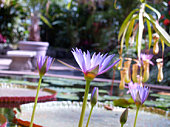
A water garden can be raised in a large container, disused large vessel, or any other make shift vessel/ contraption or preferably, if you have space and resources, in the open yard. These days people make water gardens anywhere between a few feet in diameter to several dozens of square yards.
A water garden is not an aquarium to raise beautiful fish. It should be developed into a mini ecosystem with water plants, a few kinds of fish, water snails
Soon, if you have space and trees to provide suitable habitat, water birds, frogs, water insects, worms, (even sometimes snakes to feed on them, if you happen to live in a rural/ semi-urban area with large vegetation) would grace your pond. It's a delight to watch the nature at work.
Moreover, you can invest obscene sums on it! Though these days, commercial firms build hi-tech water gardens at economic prices, do it just for the immense benefit it can bring to you.
It relaxes you, away from the hustle bustle of daily life. It gives you a place to engage entire family in some activity, helping the precious family interaction. Nothing can be more inviting to read your favorite books at. Even, the little work it requires, less than an hour each week, is inspiring for not being mundane.
Water gardens can be any of the following types each with a distinct impression of it's own:
· Still pond – Its surreal to watch the reflection of sky or vegetation on its placid surface. The ripples caused by soft breeze or its aquatic inhabitants were a treat for eyes.
· Pond with a stream – the water flowing through the stream gets filtered, make it more beautiful with a soft gurgle and helps enticing more creatures, besides humans, to visit your garden.
· Pond with a waterfall or cataract – needless to say the dynamism it brings to the garden, for a few bucks more, of course, is enchanting. These can be operated intermittently, recycling the pond water through a pump.
· Pond with rapids – like waterfall, it adds dynamism but the froth over rocks has a look of its own.
· Pond with fountains and statues – with a right integrated statue and fountain combination, you get a classic ambience to your garden. It becomes part of memories of your visitors.
So, why hesitate! Create a water garden to suit your resources, either with a do-it-yourself kit or commercially on turnkey basis. Grab your yellow pages now or just Google the net!
Both Richard Murray & Oddrun Saeterbo are contributors for EditorialToday. The above articles have been edited for relevancy and timeliness. All write-ups, reviews, tips and guides published by EditorialToday.com and its partners or affiliates are for informational purposes only. They should not be used for any legal or any other type of advice. We do not endorse any author, contributor, writer or article posted by our team.
Richard Murray has sinced written about articles on various topics from Vegetable Garden, Home Management and Vegetable Garden. Dick Murray is a retired urbanite who keeps his passion for gardening alive with pots of herbs on the window sills and the creation ofweb site dedicated to. Richard Murray's top article generates over 2400 views. Bookmark Richard Murray to your Favourites.
Cheap Products To Sell Whether you need a prescription filled, or an answer to a health question, our professional and caring staff is waiting to serve you at one of their Genericpharmacia