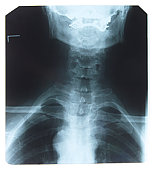
Spinal cord injuries are those traumas to the spinal cord which result in a permanent loss of normal function, including loss of movement and/or feeling. The spinal cord, contrary to what many people believe, does not have to be severed completely in order for the victim of the injury to experience a loss of function. The nature of spinal cord injuries spinal cord injuries is such that they affect not only the victim, but the victim's family or loved ones, who often feel helpless to relieve the victims' suffering and overwhelmed by the terrific emotional and financial burdens they may be asked to carry.
There are currently more than a quarter of million Americans whose lives have been turned upside-down by their spinal cord injuries, and 12,000 new victims join them every year. Slightly more than half of those victims have lost the use of their legs, and site slightly less than half are, like Christopher Reeve, quadriplegics. Nearly 4 of every five spinal cord injury victims are boys or men, and most of the men suffered their injuries between the ages of 16 and 30. These injuries can condemn their victims to decades of suffering. About four of every 10 spinal cord injuries occur because of automobile accidents, while another 40% are the result of violence or falls. Spinal cord injuries can happen in a heartbeat, to people going about their ordinary lives and not performing any obviously dangerous activities. When they happen, they happen to people who have only a one in two chance of carrying health insurance which will cover the costs of the spinal cord injuries. Those costs include the cost of an average hospital stay of 18 days followed by an average rehabilitation center stay of about six weeks.
About 4% of spinal cord in three victims are so severely injured that they must be committed to nursing homes, while nine in 10 of them return to their homes following their hospitalization. Those returning to their homes will require specialized care and medical equipment assist them while they try to recover as much function as possible. The first thing that the families or loved ones of spinal cord injury victims want is information. They want information on the nature of the injury; the possible treatments; long-term care issues; and legal issues. They want to know, especially if the victim's health insurance does not cover the costs of his or her care, if they have any legal recourse to help compensate for the victim's medical expenses.
Finally, they want the comfort and support which they can only get from those who have already experienced the devastating consequences of spinal cord injuries. They can find all of that information, and much, much more, at the Catastrophic Injury Resource Center website. Committed to being the Internet's number one source of quality information on all the issues facing those trying to deal with catastrophic injuries, the catastrophic injury resource Center is waiting to help you. Why not visit their website, or contact them at 1-800-669-7700 four whenever free information concerning financial, legal, and fundraising assistance you need to help deal with your spinal cord injury catastrophe?
Spinal Cord Injury Classification
Every year, more than 11,000Americans suffer a traumatic spinal cord injury. Even more people experiencespinal cord problems caused by infection or chronic illness. Such injuries canlead to significant loss and impairment, making it difficult or impossible tocarry out daily tasks.
Since these injuries are socommon and devastating, it is important to know how to identify a spinal cordinjury. While a diagnosis of a spinal cord injury can be frightening, receivingmedical care as soon as possible can help ensure that patients are able to livelife to the fullest.
Symptoms of a Spinal Cord Injury
The symptoms of a spinal cordinjury can vary depending on the location of the injury, as well as theseverity of the trauma. Some injuries can have immediate and devastatingconsequences, while others may be more difficult to detect. The following aresome of the common signs of spinal cord injuries.
Loss of movement or paralysis
Pain in the injured area
Loss of sensation below the injured area
Inability to control the bladder and bowels
Difficulty breathing
Muscle spasms or loss of reflexes
Seeking Help
In any case where a spinalinjury is suspected, medical attention should be sought immediately. This isespecially true in acute situations where the injury victim's life may be indanger. If the individual is losing consciousness or having difficultybreathing, paramedics should be contacted immediately. Other signs of serioustrauma include a twisted neck or back, as well as severe pain in the head, neckor back.
In order to diagnose a spinalcord injury, doctors will conduct a physical examination and order a number oftests. X-rays, CT scans and MRI scans can allow doctors to detect the type,location and severity of the injury. Next, treatment options will be arrangedand may include medications to treat pain, immobilization to aid in healing andsurgery to repair damage.
Both Catastrophicinjury & Daniel are contributors for EditorialToday. The above articles have been edited for relevancy and timeliness. All write-ups, reviews, tips and guides published by EditorialToday.com and its partners or affiliates are for informational purposes only. They should not be used for any legal or any other type of advice. We do not endorse any author, contributor, writer or article posted by our team.
Catastrophicinjury has sinced written about articles on various topics from Health. (800) 669-7700 Call Us Today for Free Information on http://www.catastrophicinjury.com">Paralyzed,. Catastrophicinjury's top article generates over 880 views. Bookmark Catastrophicinjury to your Favourites.
Delicious Emily's Tea Garden Full For fixed salaried people there seems no end to their eternal endless struggle in life!The site I am referring is a treatise of knowledge on internet business and can change your life from Slavery f...