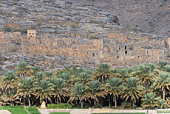
There are many hazards associated with growth among tropical trees. Tropical Trees are just as susceptible to disease as any other living organism. One graphic concern here, though, is that tropical trees, in case you haven't noticed, are an endangered species. So the study of common diseases that inflict many of these trees is a worthwhile endeavor. It's not just for the tree's sake, either. Historically speaking, countless vaccines and other homeopathic remedies were born in tropical rainforests. If rainforest trees die off due to common diseases, then our human existence, too, will suffer the consequences?not to mention other human interferences such as logging and de-forestation that are killing trees.
Tropical trees and their rainforest habitat must fend off against a variety of diseases. There are some common diseases associated with the sickness of many tropical trees. Without going into detail on how to cure these tree ailments, a discussion on diseases among trees will help shed some light on a small portion of the tree population's struggle to survive, co-habitat with humanity.
Virus infections cover a group of diseases, tree-born illnesses that were discovered, decades ago, due to the use of electron microscopes. The microscopes helped to visualize the growth of biochemical and biophysical methods scientists and bio-diversity scholars.
For one, Marchitez disease, a disease found in the oil palm of coconut trees has led to the discovery of other plant pathogens. Nematode, a pathogen, causes disease in many tropical tree crops, some of which are lethal.
The underworld-like fungal population living in tropical forest ecosystems also plays a role in disease. A genetic diversity stems from a large portion of fungal parasites. A close cousin to the fungal ground-dweller is known as telluric diseases. Telluric diseases grow on trees and cause infection, a slow wasting-away of tree development.
Telluric refers to rotting away. Here, the rotting away occurs due to a change in the tissue structure of many root systems. These tissues, known as the cortical and ligneous tissues, formed in the roots leading first to wilting and the eventual death of a tropical tree. Rigidoporus lignosus, another fungal parasite housed in the root system of a large number of forest trees, causes decay.
During the closing pages of the 19th century, bacterial diseases were uncovered in the world of tropical tree crops. One of the first bacteria discovered was what caused citrus-greening disease. Scientists believed its formation was attributed with the presence of phytoplasmas (MIO, mycoplasma-like organisms).
Notwithstanding the relevance associated with environmental factors in ecosystems, scientists realize that the pathogen, along with its variability and susceptibility to change, constitutes one of the key ingredients that intervene in host-parasite relationships.
In a large number of diseases, evolution plays a role in forming the symptoms which may, in effect, lead to the ultimate demise of trees, even to the extent of killing off wide areas of rainforests. To some extent, these diseases are simply a part of the ecosystem. Yet, with the development of logging, our trees face dire circumstances beyond the normal evolutionary tract of birth, growth, and death through disease.
What Are Common Diseases
Fishes, contrary to popular belief, have a longer life span than most people would believe. It is the oversight of owners that cause a high percentage of fish loss. Conducive habitats are important to fishes well-being and stability in numbers. Maintaining a low incidence of common fish diseases would increase their rates of survival.
One common fish disease is ICH. This is a type of fish disease whereby the affected fish has white colored spots all over the body. When a fish is sick it is important to check for those white spots of the size and shape of the grains of salt over its skin. Such a affliction is caused by Ichthyophthirius in tanks containing freshwater and Cryptocaryon antigens in the saltwater tanks. ICH may affect the eyes and the insides of the mouth and gills of the fish besides the body of the fish.
If the fish exhibit behaviors and symptoms such as gasping for air near the surface of the aquarium or rubbing against objects, it may be due to ICH. A disinterest in food is another sign along with the indicators already mentioned earlier. Fishes have low chances of combating ICH on their own. Copper sulfur medication needs to be administered in order that they can be cured. Antibiotic medication should be provided after the parasites are gone, in order to prevent them from recurring.
Velvet is a common bacteria with very similar signs to ICH, however, the spots on the body of the fish is smaller and dustier. Sometimes the spots may be gray or gold in color. The spots will be tinier and so they are more difficult to spot and attention should be paid to this aspect. Fishes that have contracted Velvet display similar symptoms to ICH, and will abrade itself against objects or show difficulty in breathing by trying to gulp in air near the surface of the water especially if the gills are infected. As with ICH, vets would generally advocate the use of copper medication as a form of treatment for Velvet.
A fungal infection may also develop quite commonly in fishes which appear in gray or white color over the body of the fish. This will be sighted in the fins or the mouths of the fish. Another reason for such a disease is when fishes are are harmed by other fishes. Open wounds are highly prone to fungal infections. Suitable cures for fungal diseases are readily available from your local pet shop and can also be procured from pet suppliers registered online with ease.
Bacterial infection is a common occurrence among fishes. If you notice orange or red spot on the scales of the fishes, they are most probably bacterial infection. Dropsy is a frequent bacterial infection that is often noted. If the fish looks distended or has scales that bulge out, it is a sign that the infection is attacking the insides of the fish and it is. The fish would show signs of tiredness and a lack of interest in food. Medications such as penicillin, naladixic acid and tetracycline are most commonly used to cure bacterial infections.
Prevention is better than cure, and it will save you and your fishes a whole lot of trouble from treating them. The best way to provide a healthy environment for the fishes is to keep the aquarium clean. Do keep a look out for fishes that threaten or assault other fishes and keep such combative fishes apart. The quality of the water, the size and space for the fishes and the species of the fishes should be monitored regularly.
Dear in mind that the fishes can still fall prey to infections and afflictions at some juncture despite your best efforts. It is important to try to cure the disease as soon as possible to reduce the chances of it spreading and contaminating other fishes.
Both Patrick Desnoyers & Moses Wright are contributors for EditorialToday. The above articles have been edited for relevancy and timeliness. All write-ups, reviews, tips and guides published by EditorialToday.com and its partners or affiliates are for informational purposes only. They should not be used for any legal or any other type of advice. We do not endorse any author, contributor, writer or article posted by our team.
Moses Wright has sinced written about articles on various topics from Brain Injury, Credit Loans and Diabetes Treatment. Moses Wright has been a pet fish lover since young and now he loves to help fellow fish owners solve their pet problems and. Moses Wright's top article generates over 60500 views. Bookmark Moses Wright to your Favourites.
Alkaline Water Health Benefits They can be used for obtaining pure water in terms of gallons without much cost. The membrane used is self cleaning and hence need not be replaced quite often