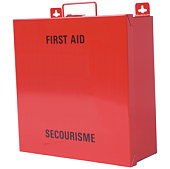
What do we mean if we have a complete set of first aid kit? What is that for and how or when to use it? What comprises each first aid kit? These are the questions we ask ourselves when we consider buying one for our home.
A first aid kit is a set of supplies and equipments for giving first aid, hence the name. A variety of equipments are in it like:
? Bandages - to control bleeding
? Regular strength pain medications
? Gauze
? Disinfectants - like alcohol and Povidone iodine
? Personal protective equipments - like gloves
? Breathing apparatus - to protect you from performing the expired air resuscitation, EAR and cardiopulmonary resuscitation or CPR
Moreover, the typical contents and most commonly used are the dressings which should be sterile. This comes in different types like sterile eye pads; adherent or non-adherent pads and burn dressings. These are sterile pad soaked in a cool gel. Bandages can be non-adhesive; examples are gauze roller, which should absorbent, breathable. The elastic type are the ones usually used for sprains and pressure bandages. Adhesive elastic roller types are very effective when it comes to applying pressure. They are also very durable and waterproof. Triangular bandages are commonly taught in Basic First Aid Course that was used as slings, tourniquets and to tie splints. Adhesive bandages are the straight adhesive type such as band-aids, sticking plasters. Butterfly bandage types are actually the two common examples as well.
Instruments that should be present in your First Aid bag are the hypoallergenic tape because you don't want the patient to develop ?Urticaria? or itchiness with reddish skin markings. Trauma shears can basically be used for cutting clothing and general use. An irrigation syringe can be used for cleaning wounds. Rubber suction bulbs are good for clearing the airways and can be applied to an unconscious patient.
Equipments like Personal protective Equipments or PPE are important. This is especially in emergency cases where in hazardous materials can even hurt the rescuer. An example would be in organophosphate or insecticide poisoning. Eyecups, gloves, CPR mask or a face shield, sterile eyewash, emergency blanket, thermometer, penlight and even instant acting cold packs.
Certain medications should be in your bag like antimicrobials. This would include antibiotic ointments and anti itch ointments. Examples would include Hydrocortisone cream, Antihistamine cream such as Benadryl and Calamine lotion among others. You also need pain killers or analgesics. These are essential for the fever to disappear. Examples are Acetaminophen, Ibuprofen (an anti-inflammatory drug, which is most of the time more valuable than the latter drug. Aspirin, for some, is also applicable. Diphenhydramine, which is anti-histamine, can lessen the allergic reaction seen in few patients. Aloe Vera gel can be used for a variety of injuries like burns, sunburns and dry skin.
Burn gels are water based gels, which acts as a cooling agent and often has mild anaesthetic components. A good example is Lidocaine with antiseptics components like that of tea tree oil. Epinephrine auto-injector is also commonly included in this first aid kit, especially if you are in wild nature trips such as summer camps. This epinephrine injector is used for anaphylactic shock, which is commonly known as severe allergic attacks. Thus, activated charcoal and syrup of ipecac are electively placed in first aid kits because it is for poison treatment. A haemostatic agent that is called QuikClot is sometimes included especially in military kits; this is mainly to control severe and profuse bleeding.
If ever you are trapped somewhere and you do not have anything else but your first aid kit you and you are wondering what you can do. Well, the first thing to do with your first aid kit would be to call help. It would also be helpful if you have a basic first aid manual, which can guide you in any type of situation. This is really necessary because in emergency cases, we get to panic easily. When this happens we cannot think straight. A manual will be able to help us go through it. It would also be advisable to list down the pages for specific cases. Just take note of the more possible accidents.
Moreover, keep a number of your family and friends, as well as emergency hotlines on your mobile or near your landline. Make sure the numbers are visible to your children as well. Just let them know the importance of these numbers and when to place a call to these numbers.
Thus, there are also some things you should know about the contents of your first aid kit. For an instance alcohol pads as well as ointments that are ?petroleum-jelly based? can be utilized as a type of fire starter in an alarming emergency situation. It can also be utilized as a lubricant for adhesive tapes. Aside from this, for particular mechanical devices and bandages, it can also be utilized for repairs. These alternative uses of these things can help set your mind on the items you need and can only be used in the wilderness.
First Aid Kits are important in every household. There are also first aid kits for pets, children, travel, disaster and soft sided situations among others. Having one doesn't mean that you are waiting for an accident to happen. Accidents are a fact of life, so whether we like it or not, it is always best to be prepared.
Home First Aid Kits
We all realise the importance of being able to cope with minor cuts and injuries at home. Most parents will have had the experience of one of their kids falling and grazing knees or elbows. Similarly, few of us will have made it to adulthood without a minor cut that produces bleeding.
The trauma suffered in such minor accidents is negligible however we all want to be able to treat such injuries as quickly as possible and without much fuss. This is where a home first aid kit comes in handy.
A home first aid kit is like a mini emergency room for the home. The kit should be kept in an easy to reach and obvious location. It may not be you who uses it and it's best to have it as accessible as possible. The kit should contain some scissors and creams and thus it should not be within reach of small children. Additionally, don't confuse a first aid kit with a medicine cupboard. You don't want to use it for storing medical supplies like tablets, pills or similar medications. Aim to keep your medications in a separate container and store it appropriately.
Many people may believe that they don't need a formal first aid kit as they have all the supplies they need at home for such incidents however, typically such homes have supplies scattered throughout the house. The band-aids will be in one cupboard whilst bandages will be in another cupboard and the scissors will be somewhere else. It is then also easy to forget where we left the ointment or when the last time we used the tweezers was.
When an injury is encountered particularly that which involves bleeding, the last thing you want to be doing is running from cupboard to cupboard trying to find where you left the supplies.
Keeping a purpose made home first aid kit handy can solve all these problems. The first aid kit should be in stored in a designated location at all times when not in use and all members of the family should be aware of its location. In more serious situations (which can and do occur), such as deep cuts, immediate response can be crucial.
The first aid kit should be well-stocked and assembled to cover the usual household needs whilst taking into consideration the size of the family.
A typical home first aid kit will include the following items.
Sterile gauze pads
Compresses
Disposable gloves
Bandages
Antibiotic ointment
Safety pins
Band-aids
Tweezers
Scissors
Tape
If you believe or discover later that you need to add additional items to the first aid kit you can do so. You may want to include specialised treatments for serious allergy reactions for a particular member of the family of they suffer from these.
Once you have stocked your first aid kit, check it regularly to ensure you have all the necessary materials you need. Check usage dates on creams and ointments and replace if they are coming close to their expiration date. Make it a regular feature for your shopping list that you check the contents and resupply as necessary.
The home first aid kit is a simple idea but has great importance. There have been thousands of events where quick access to a first aid kit has reduced the level of an injury. A good example would be where a person is bleeding heavily and you can apply a compress to stop the flow of blood long enough to get you to the emergency room.
If you don't already have a first aid kit at home then make a determination now to get one within the next 24 hours. Whilst it seems an unnecessary requirement right now it makes all the difference when you do discover the need for it. Don't risk your own or your family's well-being and health with something that can be easily rectified. Having a first aid kit to hand at all times should be standard practice in every home.
Both David H. Urmann & Garnett Johnston are contributors for EditorialToday. The above articles have been edited for relevancy and timeliness. All write-ups, reviews, tips and guides published by EditorialToday.com and its partners or affiliates are for informational purposes only. They should not be used for any legal or any other type of advice. We do not endorse any author, contributor, writer or article posted by our team.
Garnett Johnston has sinced written about articles on various topics from Dogs, Hunting and Dogs. If you would like to find out more detailed information on basic first aid, please pay a visit to our site. First aid care is crucial in many situations and i. Garnett Johnston's top article generates over 5400 views. Bookmark Garnett Johnston to your Favourites.