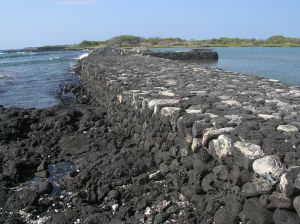
Water gardens and backyard ponds are for butterflies, frogs, birds, fish, you, and the whole family. These ponds may be small, may even be no larger than 3 to 4 feet in diameter. These may be built in patio containers and barrels. Drawing wildlife in your backyard may be done by adding water gardens and ponds. These will not only provide enjoyment and interest but also a natural and relaxing environment as well.
A fish pond in your backyard may become the focal point of your backyard conversation. So spice it up with this tips and techniques.
Where to Put Up a Backyard Pond
Place your fish pond in a place where you can best view it from, whether from a deck or the patio. Make it coincide with the natural surroundings. Do not place the pond where the sun can overheat it. Nestle it in a shaded place but not under the trees.
Landscaping
It is best to slightly elevate the soil surrounding the pond so that excess water will not enter into it. Plan the drainage system of the pond, making sure that it draws the water away from your house.
Landscaping the surroundings around your pond will provide a natural dwelling place for birds and frogs that need water and land. Make sure that electricity is available if you plan to use lights, filters, or a water re-circulating device.
Do not place the pond under the trees to avoid fallen leaves into the pond. This technique will also provide less maintenance to the pond. Expose the pond to sufficient sunlight only since some aquatic plats grow well in full sun and others do not.
Using Pond Liners
Pond liners are used to keep water from leaking into the soil. It is almost always necessary for ponds even if it they are situated in clay soils. Pond liners come in different shapes and sizes. They even include built in waterfalls or any design based on your preferences. They are durable and convenient.
Consider a polyvinyl chloride liner (PVC liner) in building larger ponds. In determining the size of the PVC, you have to know the maximum length, width, and depth of the pond. After which, multiply the maximum depth by 3. Add the answer to the width and the length. Now you have enough PVC to securely hold down the pond edges.
Pond liners come in different thickness as well. The thicker the pond liner, the more resistant it is to punctures. Cement may be considered an optional pool liner. However, it requires more expertise to install and it may cost more than the regular plastic pond liner.
However, considering that many ponds are quite small, other plastics may be used. It may be cheaper but many may break down easily once prolonged exposure to ultraviolet light happens. Some plastics also may prove to be toxic to fish.
Pond Installation
Time your pond building when the ground is not overly wet or frozen. Dig the hole according to the right depth and place (and secure) the pond liner. Then landscape the pond surroundings. Remove any rocks from the surrounding area. Add water, plants, and a pump. Let the pond sit for a few days before adding plants and fish. Let the plants settle for at least one week before placing the fish.
Then sit back and enjoy your backyard fish pond!
How To Fish Ponds
Installing a backyard fish pond is an aesthetic addition to your landscaping and offers a bit of tranquility as well. However, taking care of backyard fish ponds is not as easy as one might think. And, you have to do more than simply install the fish pond and then let it go. Backyard fish ponds care is constant and consistent. Although, if you follow these tips you will be able to enjoy your backyard fish pond with as little effort possible in its maintenance.
Tip #1 Use a Plastic Liner
Use a plastic liner to separate your backyard fish pond from the surrounding soil. By doing this you eliminate nutrients from the soil intruding your fish pond and will only have to deal with the elements that are in the pond itself or are created by the fish living in the pond.
Tip #2 No Low-lying Areas
Do not install a backyard fish pond in a low lying area where runoff from your lawn will end up in your fish pond. Maintaining the fish pond is difficult enough without introducing runoff from the lawn. When installed on a high area you will have an easier time maintaining your fish pond.
Tip #3 Water Plants
Another great suggestion is to add several varieties of plants in and around your fish pond. This way the excess nutrients will be absorbed by the plants and will not end up promoting algae growth in your fish pond. This works well because it keeps algae from growing and you having to clean the algae out.
Maintaining a fish pond takes work, and you should expect algae to be a problem, especially if you have fish. Just follow these tips to keep your algae problem to a minimum.
This article can be freely published on a website as long as it's not modified in any way including the author bylines, plus the hyperlink must be made active just like below.
Both Jack Safford & Tim Lee are contributors for EditorialToday. The above articles have been edited for relevancy and timeliness. All write-ups, reviews, tips and guides published by EditorialToday.com and its partners or affiliates are for informational purposes only. They should not be used for any legal or any other type of advice. We do not endorse any author, contributor, writer or article posted by our team.
Jack Safford has sinced written about articles on various topics from Fishing, Cars and GPS Vehicle Tracking. Information on grouper fishing can be found at the. Jack Safford's top article generates over 14800 views. Bookmark Jack Safford to your Favourites.
Cheapest Personal Loan Rates Whats more? The money you need can be in your account the very same day you apply. Fast personal loans range from 100 to up to 1000 or more