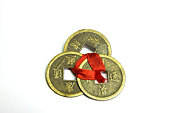
For many years now, Asia has been the leading designer in many applications. In the past, they have had superior technology and design for electronics, and they have produced many of the best selling, most reliable cars on the road. With such innovative minds and high work ethics, Japan and China have led the way in many fields, so it should come as no surprise that the latest area in which their traditions have become prevalent is home design.
Two very distinct decorating styles have come from Japan in recent years, with hints here and there from China and other Asian cultures also infringing on the styles popular in American society. You can trace back the fascination to the art of the dragon, the artistic language (all written in symbols rather than characters as with many languages), and other such influences. It began with the fringe of American society, with youths getting tattoos and body art in Asian styles, and now it has progressed into a way of life and overall home design.
Minimalism has long been a theme of Japanese and other Asian design. In fact, many traditional Asian homes do not have furniture as American and European homes do. Instead, mattresses lay on the floor, and seating at mealtime is pillows around a table no higher than an American coffee table. Homes are small, and one room may be used for several functions, much like an efficiency apartment in the United States. While still artistic, the beauty in the few furnishings kept is their sharp angles, basic colors, and pure functionality. American design has begun to copy this trend, reverting to minimalist furniture design, without the large cushions, ornate decoration, and imposing size. In some homes, less furniture is used altogether to mimic the Asian cultures.
One specific design theme that has become quite prevalent in American society is Feng Shui. There is more to this than just a home décor style – Feng Shui is a way of life. It is about enlightenment and the ability to find inner peace. Feng Shui is using design as a way to strengthen, enlighten and protect an environment.
Interestingly enough, the colors most often associated with Feng Shui are black and red, with some burnt orange or yellow and deep brown mixed in. These colors have long been shunned in American design because black is thought to be a depressing color. While red has been thought to incite anger, many Feng Shui consultants recommend red to produce a protective and inspiring environment. It is believed that minimalist design used in combination with appropriate colors and the addition of the correct décor can produce a sense of peace and enlightenment.
A brief study of Asian cultures can assist in building an idea of where the future of design is headed. For many years companies such as Sony and Toyota were trend setters for the Western Industrial World. Design is one more aspect in which you can expect to see the West following the lead of Eastern examples for a long time to come.
Interior Design Feng Shui
I find this interesting given that both festivals, whilst from different cultural and religious belief systems, celebrates life that was - and calls forth the new.
The feast day of Easter was originally a pagan celebration of renewal and rebirth. Celebrated in the early spring, it honored the pagan Saxon Goddess Eastre.
When the early missionaries converted the Saxons to Christianity, this holiday, since it fell around the same time as the traditional memorial of Christ's resurrection from the dead, was merged with the pagan celebration, and became know as Easter and reflected its new Christian orientation.
This year the Qing Ming festival will fall on April 5. This marks the fifth term in the traditional lunar calendar and a is also a time to hold a memorial ceremony for those relatives who have passed away.
The Chinese community place great emphasis on their ancestors. However, it is not considered a solemn occasion, but rather, a time of remembrance for those who have moved on. It is a time for 'happy unison' with other family members along with a demonstration of respect to your ancestors.
At this time of the year, individuals or entire families, often go to sweep and weed graves. This custom can be traced back to over one thousand years ago. In fact, during the Tang Dynasty (732AD), the custom of taking an outing such as walking the hills with the family, or having a picnic, on this particular day, were developed. During this period it was also declared that just one special day a year would be devoted to this purpose.
To "sweep the graves" means to clear the graves of all the leaves and weeds and repaint the inscriptions. Then food such as fruit, rice, wine, chicken, pork, cakes, in fact any favourite foods of the ancestors, will be placed around the grave. Paper money will also be burned, candles lit and the whole family kneels to pay respect.
After prayers, the food is usually consumed by the descendants, as a part of the grave sweeping ceremony. These acts are not only considered to be declarations of respect but also deeds that will bring the filial descendants a fortunate life and good health.
Health is often something we take for granted and is only dwelled upon when we, or a loved one, falls ill.
Feng Shui helps to improve poor health and maintain good health. There are also a number of products that can offer symbolic support of this endeavour. The Natural Health Gourd is one of the items carried by the eight fairies and is said to contain the holy nectar of the Gods. I gave this to my mother some years ago as the Gourd is symbolic of longevity and works well when placed around the knob of your bedroom door or even at the main entrance to your home.
If I have learned anything over the years it is to enjoy the company of those I love while I have the chance to share in their lives. The Qing Ming festival lets you remember your loved ones who have passed away, and reminds you that you must continue making happy memories with those who are still with you.
We would like to thank you for your continued support and wish you and your family, all the best over the Easter period and Qing Ming festival. We hope you use this time of year to give thanks and respect for what has been, and at the same time to bring in the new and enjoy the richness of life.
Both Ben Weissman & Juliana Abram are contributors for EditorialToday. The above articles have been edited for relevancy and timeliness. All write-ups, reviews, tips and guides published by EditorialToday.com and its partners or affiliates are for informational purposes only. They should not be used for any legal or any other type of advice. We do not endorse any author, contributor, writer or article posted by our team.
Ben Weissman has sinced written about articles on various topics from Family, Home Management and Family. Ben Weissman writes about using furniture and decor to make your room a personal retreat. Find more tips at. Ben Weissman's top article generates over 246000 views. Bookmark Ben Weissman to your Favourites.
A New Kind Of War While there are still some problems in the special project of the school, continued efforts and support from the board of education will greatly help the future use of the iPod as a tool in taking the...