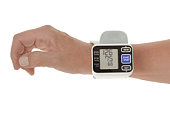
High blood pressure or hypertension means high pressure (tension) in the arteries. Arteries are vessels that carry blood from the pumping heart to all the tissues and organs of the body. High blood pressure directly increases the risk of coronary heart disease (which leads to heart attack) and stroke, especially when it's present with other risk factors. High blood pressure can occur in children or adults, but it's more common among people over age 35. It's particularly prevalent in African Americans, middle-aged and elderly people, obese people, heavy drinkers and women taking birth control pills. It may run in families, but many people with a strong family history of high blood pressure never have it. High blood pressure is a blood pressure reading of 140/90 mmHg or higher. Nearly 1 in 3 American adults has high blood pressure. Once high blood pressure develops, it usually lasts a lifetime. High blood pressure is called the silent killer because it usually has no symptoms. Affecting approximately one in four adults in the United States, hypertension is clearly a major public health problem.
High blood pressure is called the silent killer. High blood pressure typically develops without signs or symptoms. and it affects nearly everyone eventually. There are two levels of high blood pressure: stage 1 and stage 2. It is less common in younger adults. Most cases are mildly high (up to 160/100 mmHg). However, at least 1 in 20 adults have blood pressure of 160/100 mmHg or above. High blood pressure is more common in people with diabetes. About 3 in 10 people with Type 1 diabetes and more than half of people with Type 2 diabetes eventually develop high blood pressure. High blood pressure is a 'risk factor' for developing a cardiovascular disease , and kidney damage, sometime in the future. High blood pressure usually has no symptoms, but it can cause serious problems with such as stroke, heart failure, heart attack and kidney failure. It is estimated that one in every four American adults has high blood pressure. Some people can prevent or control high blood pressure by changing to healthier habits.
Calcium channel blockers may work better for blacks than do ACE inhibitors or beta blockers alone. Some medicines lower blood pressure by removing extra fluid and salt from your body. Others affect blood pressure by slowing down the heartbeat or by relaxing and widening blood vessels. Diuretics are sometimes called water pills. They work by helping your kidneys flush excess water and salt from your body. Beta blockers help your heart beat slower and with less force. Angiotensin converting enzyme (ACE) inhibitors keep your body from making a hormone called angiotensin II, which normally causes blood vessels to narrow. Angiotensin II receptor blockers (ARBs) are newer blood pressure medicines that protect your blood vessels from angiotensin II. Calcium channel blockers (CCBs) keep calcium from entering the muscle cells of your heart and blood vessels. Vasodilators open blood vessels by directly relaxing the muscle in the vessel walls, causing blood pressure to go down.
High Blood Pressure Treatment Tips
1. Diuretics are sometimes called water pills. They work by helping your kidneys flush excess water and salt from your body.
2. Angiotensin converting enzyme (ACE) inhibitors keep your body from making a hormone called angiotensin II, which normally causes blood vessels to narrow.
3. Angiotensin II receptor blockers (ARBs) are newer blood pressure medicines that protect your blood vessels from angiotensin II.
4. Calcium channel blockers (CCBs) keep calcium from entering the muscle cells of your heart and blood vessels.
5. Alpha-beta blockers reduce nerve impulses to blood vessels the same way alpha blockers do, but they also slow the heartbeat, as beta blockers do.
6. Nervous system inhibitors relax blood vessels by controlling nerve impulses from the brain.
7. Vasodilators open blood vessels by directly relaxing the muscle in the vessel walls, causing blood pressure to go down.
8. Alpha-beta blockers- reducing nerve impulses to blood vessels, alpha-beta blockers slow the heartbeat to reduce the amount of blood.
High Blood Pressure Solution
World Health Organization research has shown that 11 percent of all significant disease in a developed country is caused by high blood pressure. It is one of the top ten conditions most commonly reported to doctors, accounting for 61 percent of all complaints. Deaths from coronary heart disease and stroke are strongly linked to high blood pressure. So what can you do to control it?
High blood pressure is the number 1 cause of strokes and normalizing blood pressure cuts the risk of stroke in half, according to studies at the Stroke Prevention and Atherosclerosis Research Institute in London, Ontario. No other preventative measure is as effective.
WHAT IS NORMAL BLOOD PRESSURE?
The Heart Foundation defines "normal" as less than 120/80. High blood pressure is defined by the US National Institute of Health as a reading of 140/90 or higher. These "normal" and "high" figures increase with age, so you should discuss this with your doctor.
A number of factors can cause high blood pressure. These include a diet high in saturated fats and salt, stress and being overweight. They can narrow arteries and the resultant pressurized blood flow can damage artery walls, making the formation of fatty plaque more likely.
HOW TO CONTROL YOUR BLOOD PRESSURE.
Stop Smoking.
Smoking increases your risk of heart disease, reduces the amount of oxygen in your blood and increases blood pressure by constricting your artery walls. It is the single most important thing you can do to reduce your risk of heart disease according to The National Heart Foundation.
Exercise More.
Being active is an important factor in controlling blood pressure and weight. It can be fun, improve your level of fitness and help boost your immune system. One of the best activities is brisk walking. It doesn't place great strains on you body and the cardiovascular benefits are considerable. Try to include at least 30 minutes of moderate intensity walking or other physical activity on most {if not all} days of the week. This can be divided into 3 x 10 minute activities.
Watch Your Diet.
Saturated fats are the main villains. They are found in fatty meats, cakes, full cream dairy products, most fried takeaway foods and commercially baked products. A high salt diet can also elevate blood pressure. Your diet should consist of at least 3 pieces of fruit daily, whole grains, leafy green and yellow vegetables, lentils, steamed fish and lean meats. I love blueberries. They are high in fiber and antioxidants and as a bonus, taste delicious.
Watch Your Weight.
Aim to achieve and maintain a healthy body weight. The keys are healthy eating and regular physical activity. Try to combine both aerobic and weight bearing exercises in your weight loss program. Weight bearing or resistance exercises are excellent for burning fat and increasing lean muscle mass.
Check Your Cholesterol Levels.
High total and/or high LDL {bad} cholesterol levels contribute to the narrowing of arteries and resultant high blood pressure. A blood test will determine your cholesterol levels.
Nutritional Supplements.
A number of nutritional supplements may help reduce high blood pressure.
These include:
Magnesium. An excellent mineral for general body health and when combined with calcium, can improve bone density and reduce osteoporosis.
Omega 3 fatty acids. As fish oil or flaxseed meal.
Garlic. Crushed cloves are preferable to tablets to maintain the potency of the main component, allicin.
Ginko Biloba. Excellent for increasing blood circulation to the body extremities, particularly the brain.
Ginseng.
Coenzyme Q10.
Folate {folic acid}
Hawthorn.
Potassium.{Salt causes the body to retain fluids, elevating blood pressure. Potassium aids in salt excretion, lowering pressure.}
Apple Cider Vinegar.
Never start a new treatment before consulting your doctor, especially if you are currently taking medication. The information published in this article is not intended as a substitute for personal medical advice from your physician or other qualified health-care practitioner. It is for information purposes only.
Both Juliet Cohen & Graeme Lanham are contributors for EditorialToday. The above articles have been edited for relevancy and timeliness. All write-ups, reviews, tips and guides published by EditorialToday.com and its partners or affiliates are for informational purposes only. They should not be used for any legal or any other type of advice. We do not endorse any author, contributor, writer or article posted by our team.
Graeme Lanham has sinced written about articles on various topics from Arthritis Signs, Aquarium Fish and Nutrition. Want to read more on strategies to control your blood pressure? Check out Graeme Lanham's latest book, "Your Life Fitness" at: http://www.yourlifefitness.com. Graeme Lanham's top article generates over 74000 views. Bookmark Graeme Lanham to your Favourites.
Ballenberg Open Air Museum Tickets 6 euro, reduced students and over 65 5 eurosDate 16th, 23rd, 30th November 2008Location Poggioreale Cemetery, Naples, Italy